-
![]()
How do helmets protect you?
- When you take a fall, a certified helmet absorbs energy by crushing and extending your head’s stopping time to reduce the peak impact on the brain significantly.
- Helmets are built to compress and fracture on serious impact. A broken helmet is not a sign of a faulty one — in fact, it may crush or crack as it absorbs the energy that could otherwise cause you serious injury.
-
![]()
How often should you replace your helmet?
- All Troxel helmets involved in an accident should be replaced immediately. Your helmet is only designed for one impact event.
- All active gear will suffer from differing degrees of normal wear-and-tear, depending upon the user. Equestrian helmets used by a rider 150 days a year will, by comparison, wear faster than gear used by a weekend rider. By taking care of your Troxel helmet, you will ensure a longer lifespan for your product. However, due to evolving standards, technologies and the potential for unseen material deterioration, it is recommended that you replace your helmet at least every five years from the date of purchase. Those who ride often should replace their helmet more often.


Shop Helmets
View all-

![Liberty Riding Helmet with Mips®]()
![Liberty Riding Helmet with Mips®]()
![Liberty Riding Helmet with Mips®]()
![Liberty Riding Helmet with Mips®]()
![Liberty Riding Helmet with Mips®]()
![Liberty Riding Helmet with Mips®]()
![Liberty Riding Helmet with Mips®]()
![Liberty Riding Helmet with Mips®]()
![Liberty Riding Helmet with Mips®]()
![Liberty Riding Helmet with Mips®]()
![Liberty Riding Helmet with Mips®]()
![Liberty Riding Helmet with Mips®]()
![Liberty Riding Helmet with Mips®]()
![Liberty Riding Helmet with Mips®]()
![Liberty Riding Helmet with Mips®]()
![Liberty Riding Helmet with Mips®]()
![Liberty Riding Helmet with Mips®]()
![Liberty Riding Helmet with Mips®]()
![Liberty Riding Helmet with Mips®]()
![Liberty Riding Helmet with Mips®]()
![Liberty Riding Helmet with Mips®]()
![Liberty Riding Helmet with Mips®]()
![Liberty Riding Helmet with Mips®]()
![Liberty Riding Helmet with Mips®]()
![Liberty Riding Helmet with Mips®]()
![Liberty Riding Helmet with Mips®]()
![Liberty Riding Helmet with Mips®]()
![Liberty Riding Helmet with Mips®]()
![Liberty Riding Helmet with Mips®]()
![Liberty Riding Helmet with Mips®]()
![Liberty Riding Helmet with Mips®]()
![Liberty Riding Helmet with Mips®]() New arrival
New arrival -
![Spirit™ Horse Riding Helmet with Mips®]()
![Spirit™ Horse Riding Helmet with Mips®]()
![Spirit™ Horse Riding Helmet with Mips®]()
![Spirit™ Horse Riding Helmet with Mips®]()
![Spirit™ Horse Riding Helmet with Mips®]()
![Spirit™ Horse Riding Helmet with Mips®]()
![Spirit™ Horse Riding Helmet with Mips®]()
![Spirit™ Horse Riding Helmet with Mips®]()
![Spirit™ Horse Riding Helmet with Mips®]()
![Spirit™ Horse Riding Helmet with Mips®]()
![Spirit™ Horse Riding Helmet with Mips®]()
![Spirit™ Horse Riding Helmet with Mips®]()
![Spirit™ Horse Riding Helmet with Mips®]()
![Spirit™ Horse Riding Helmet with Mips®]()
![Spirit™ Horse Riding Helmet with Mips®]()
![Spirit™ Horse Riding Helmet with Mips®]()
![Spirit™ Horse Riding Helmet with Mips®]()
![Spirit™ Horse Riding Helmet with Mips®]()
![Spirit™ Horse Riding Helmet with Mips®]()
![Spirit™ Horse Riding Helmet with Mips®]()
![Spirit™ Horse Riding Helmet with Mips®]()
![Spirit™ Horse Riding Helmet with Mips®]()
![Spirit™ Horse Riding Helmet with Mips®]()
![Spirit™ Horse Riding Helmet with Mips®]()
![Spirit™ Horse Riding Helmet with Mips®]()
![Spirit™ Horse Riding Helmet with Mips®]()
![Spirit™ Horse Riding Helmet with Mips®]()
![Spirit™ Horse Riding Helmet with Mips®]()
![Spirit™ Horse Riding Helmet with Mips®]()
![Spirit™ Horse Riding Helmet with Mips®]()
![Spirit™ Horse Riding Helmet with Mips®]()
![Spirit™ Horse Riding Helmet with Mips®]()
![Spirit™ Horse Riding Helmet with Mips®]()
![Spirit™ Horse Riding Helmet with Mips®]()
![Spirit™ Horse Riding Helmet with Mips®]()
![Spirit™ Horse Riding Helmet with Mips®]()
![Spirit™ Horse Riding Helmet with Mips®]() New arrival
New arrival -
![Youngster Horse Riding Helmet]()
![Youngster Horse Riding Helmet]()
![Youngster Horse Riding Helmet]()
![Youngster Horse Riding Helmet]()
![Youngster Horse Riding Helmet]()
![Youngster Horse Riding Helmet]()
![Youngster Horse Riding Helmet]()
![Youngster Horse Riding Helmet]()
![Youngster Horse Riding Helmet]()
![Youngster Horse Riding Helmet]()
![Youngster Horse Riding Helmet]()
![Youngster Horse Riding Helmet]()
![Youngster Horse Riding Helmet]()
![Youngster Horse Riding Helmet]()
![Youngster Horse Riding Helmet]()
![Youngster Horse Riding Helmet]()
![Youngster Horse Riding Helmet]()
![Youngster Horse Riding Helmet]()
![Youngster Horse Riding Helmet]()
![Youngster Horse Riding Helmet]()
![Youngster Horse Riding Helmet]()
![Youngster Horse Riding Helmet]() New arrival
New arrival -
![Terrain™ Horse Riding Helmet with Mips®]()
![Terrain™ Horse Riding Helmet with Mips®]()
![Terrain™ Horse Riding Helmet with Mips®]()
![Terrain™ Horse Riding Helmet with Mips®]()
![Terrain™ Horse Riding Helmet with Mips®]()
![Terrain™ Horse Riding Helmet with Mips®]()
![Terrain™ Horse Riding Helmet with Mips®]()
![Terrain™ Horse Riding Helmet with Mips®]()
![Terrain™ Horse Riding Helmet with Mips®]()
![Terrain™ Horse Riding Helmet with Mips®]()
![Terrain™ Horse Riding Helmet with Mips®]()
![Terrain™ Horse Riding Helmet with Mips®]()
![Terrain™ Horse Riding Helmet with Mips®]()
![Terrain™ Horse Riding Helmet with Mips®]()
![Terrain™ Horse Riding Helmet with Mips®]()
![Terrain™ Horse Riding Helmet with Mips®]()
![Terrain™ Horse Riding Helmet with Mips®]()
![Terrain™ Horse Riding Helmet with Mips®]()
![Terrain™ Horse Riding Helmet with Mips®]()
![Terrain™ Horse Riding Helmet with Mips®]()
![Terrain™ Horse Riding Helmet with Mips®]()
![Terrain™ Horse Riding Helmet with Mips®]()
![Terrain™ Horse Riding Helmet with Mips®]()
![Terrain™ Horse Riding Helmet with Mips®]()
![Terrain™ Horse Riding Helmet with Mips®]()
![Terrain™ Horse Riding Helmet with Mips®]()
![Terrain™ Horse Riding Helmet with Mips®]()
![Terrain™ Horse Riding Helmet with Mips®]()
![Terrain™ Horse Riding Helmet with Mips®]()
![Terrain™ Horse Riding Helmet with Mips®]()
-

![Dynasty™]()
![Dynasty™]()
![Dynasty™]()
![Dynasty™]()
![Dynasty™]()
![Dynasty™]()
![Dynasty™]()
![Dynasty™]()
![Dynasty™]()
![Dynasty™]()
![Dynasty™]()
![Dynasty™]() New arrival
New arrival -
![Sport 2.0™]()
![Sport 2.0™]()
![Sport 2.0™]()
![Sport 2.0™]()
![Sport 2.0™]()
![Sport 2.0™]()
![Sport 2.0™]()
![Sport 2.0™]()
![Sport 2.0™]()
![Sport 2.0™]()
![Sport 2.0™]()
![Sport 2.0™]()
-
![Spirit™]()
![Spirit™]()
![Spirit™]()
![Violet Duratec Spirit Helmet]()
![Teal Duratec Spirit Helmet]()
![Black Duratec Spirit Helmet]()
![Navy Duratec Spirit Helmet]()
![Raspberry Duratec Spirit Helmet]()
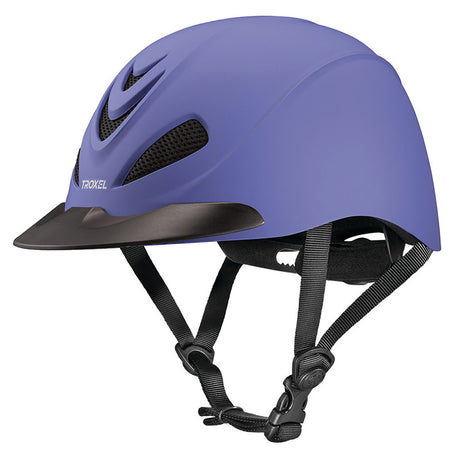
![Periwinkle Duratec Spirit Helmet]()
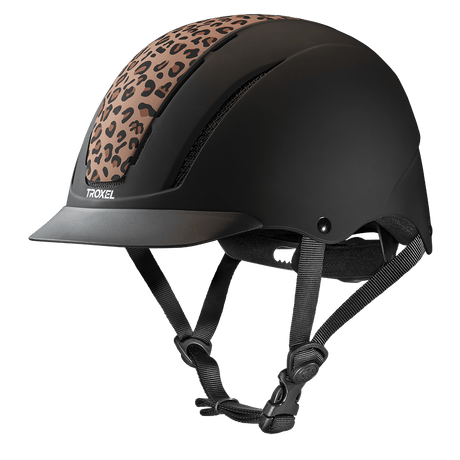
![Black Spirit Helmet]()
![Spirit™]()
![Freedom Spirit Helmet]()
![Spirit™]()
![Spirit™]()
![Pop Art Pony Spirit Helmet]()
![Spirit™]()
![Spirit™]()
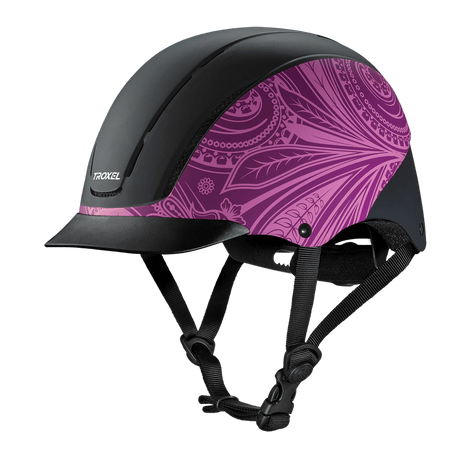
![Purple Boho Spirit Helmet]()
![Spirit™]()
![Spirit™]()
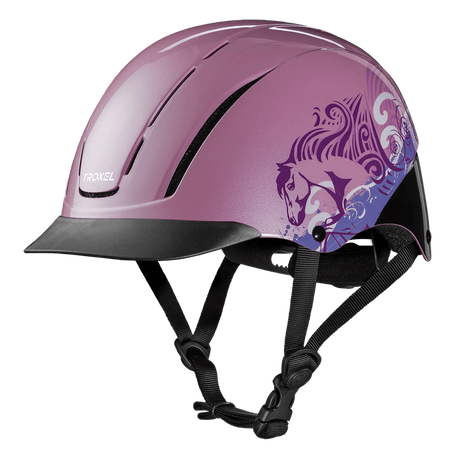
![Pink Dreamscape Spirit Helmet]()
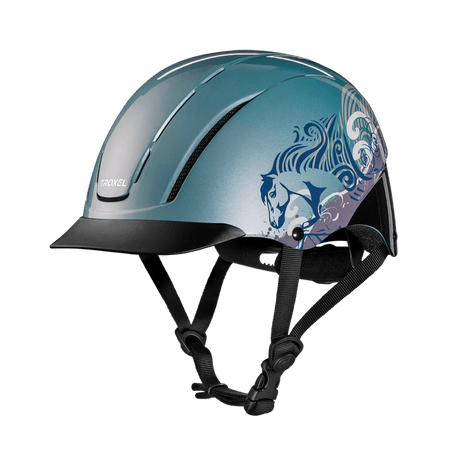
![Sky Dreamscape Spirit Helmet]()
![Spirit™]()
![Spirit™]()
![Spirit™]()
![Spirit™]()
![Spirit™]()
![Spirit™]()
![Spirit™]()
![Spirit™]()
![Spirit™]()
![Spirit™]()
![Spirit™]()
![Spirit™]()
![Spirit™]()
![Spirit™]()
![Spirit™]()
![Spirit™]()
![Spirit™]()
![Spirit™]()
![Spirit™]()
![Spirit™]()
![Spirit™]()
![Spirit™]()
![Spirit™]()
![Spirit™]()
![Spirit™]()
![Spirit™]()
![Spirit™]()
![Spirit™]()
![Spirit™]()
![Spirit™]()
-
![Liberty™]()
![Bluestone Duratec Liberty Helmet]()
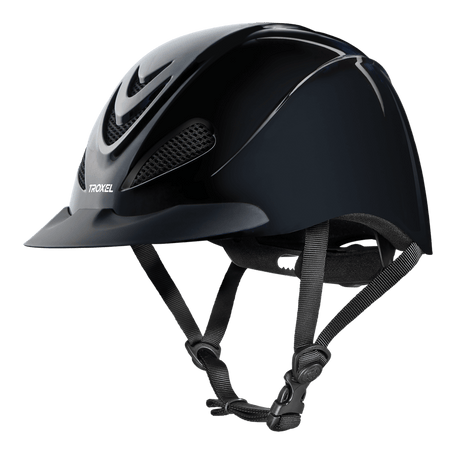
![Black Liberty Helmet]()
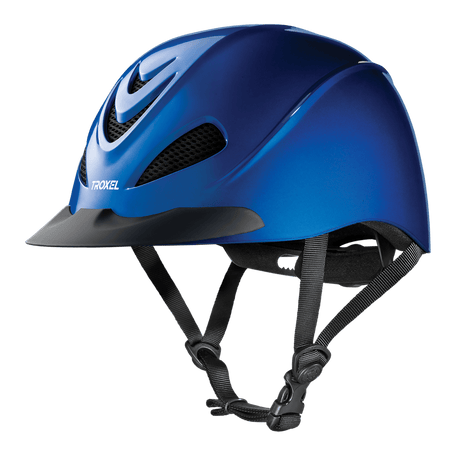
![Cobalt Liberty Helmet]()
![Liberty™]()
![Liberty™]()
![Liberty™]()
![Liberty™]()
![Liberty™]()
![Liberty™]()
![Liberty™]()
![Liberty™]()
![Liberty™]()
![Liberty™]()
![Liberty™]()
![Liberty™]()
![Liberty™]()
 New arrival